The keynote addresses frontier labs and researchers in the audience. The photograph documents a gathering; the recorded remarks describe it in broader terms.
Read the keynote ↗INSIDE THE ROOM / A PHOTOGRAPHIC INVESTIGATION
THE SUMMIT ARCHIVEThe room was full.
The names were missing.
A photograph captures the audience. Three remarks from the stage open the investigation.
Listen for the clues ↘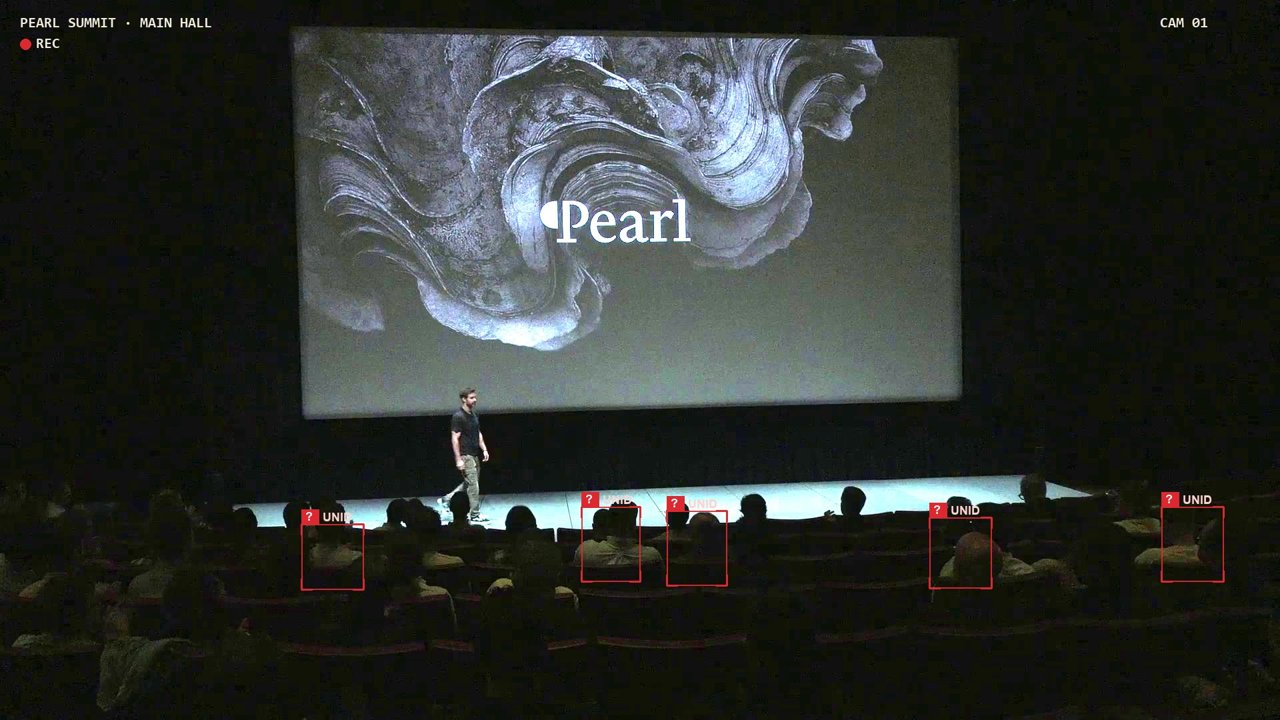
Open the investigation brief
THE INVESTIGATION / READ THE CASE BEFORE THE EXHIBITS
What can a room full of unnamed people tell us?
The audience may indicate serious technical interest. It could also include researchers, investors, or guests attending without any commercial commitment.
Neither silhouettes nor broad spending remarks identify a person or prove that their employer is a partner. Treat the red boxes as editorial prompts, not identifications.
An attributable attendee account or an official event roster could identify participants. Partnership claims would still need separate confirmation.
Historical September briefing; new research sections below identify their sources and observation dates.
Inspect the original exhibits ↓THE EXHIBITS / SOURCES, QUOTES & EDITORIAL READS
SOURCE CHANNEL / THE SCIENCE BEHIND PEARLHear what
Hear what
the photograph cannot.
Three excerpts. Choose a channel, then listen to the wording that opened each question.
Choose an excerpt to begin.
THE AUDIO EVIDENCE
Three remarks.
Three open doors.
Hear the source. Then separate the statement from the theory.
01
a frontier lab
Some of the frontier labs in this audience are spending 100 million, 130 million dollars a day on inference — if I'm correct.
on tape
→ This is the speaker’s spending estimate, qualified on tape. It is not an audited figure or a reliable way to identify which company attended.
02
tied to rival labs
We don't get an Anthropic or NVIDIA share — well, most of us at least.
on tape
→ "Most of us" isn't "all of us." That aside invites a theory about financial ties, but it does not identify a holder or the nature of any connection.
03
world-class cryptographers
This assumption here, which has been tested by a lot of world-class mathematicians — some of which are in this crowd.
on tape
→ Hawkeye studies reproducing specified GPU arithmetic on a CPU. That is relevant to verification, but it is not the entire Pearl protocol or a proof of its security. The published author list includes Erez Badash, Dan Boneh, Ilan Komargodski and Megha Srivastava. Published MLSys paper ↗
FOLLOW THE AUTHOR / HAWKEYE
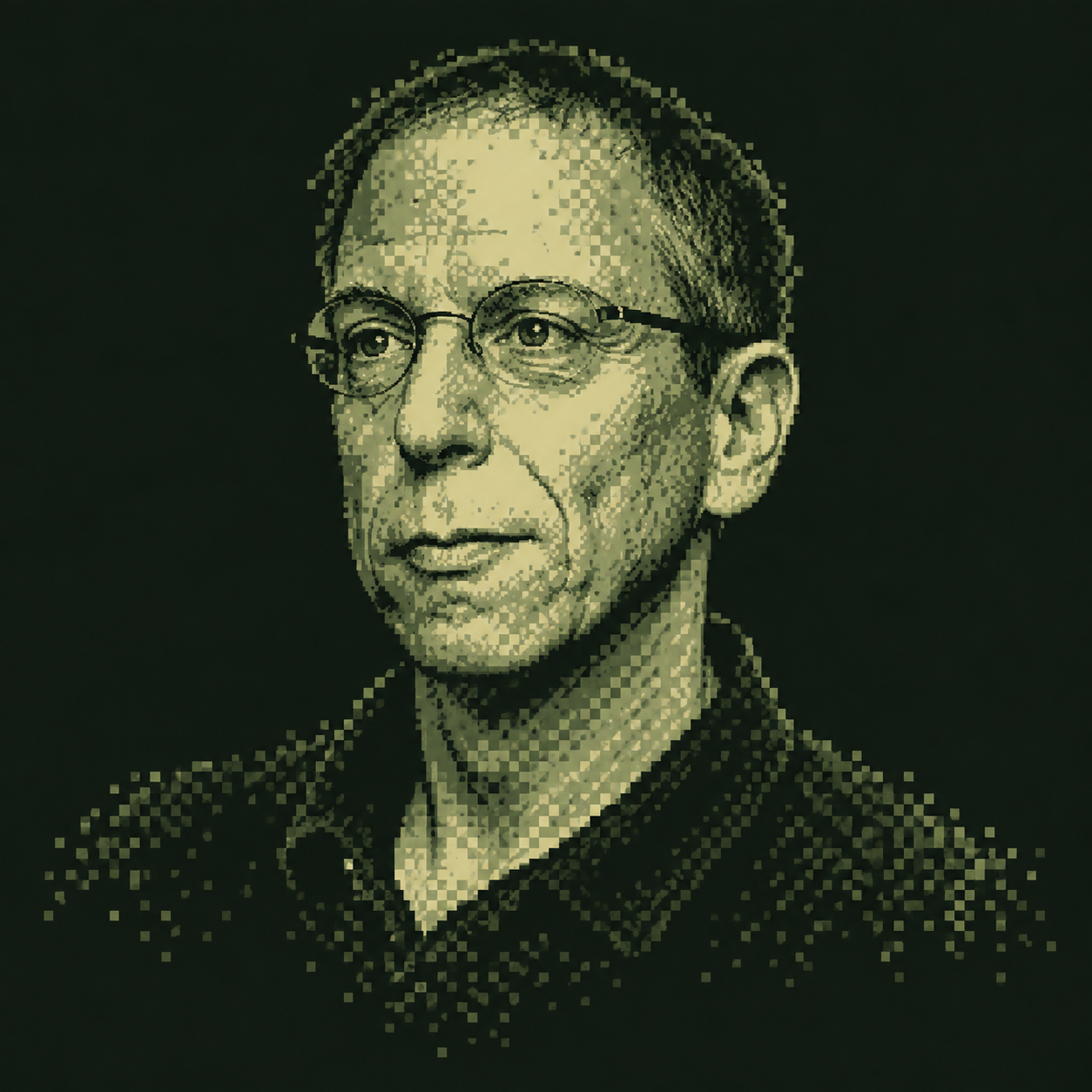
Dan Boneh
Dan Boneh co-authored Hawkeye and is publicly listed as a senior research advisor at a16z Crypto. Those are supported affiliations. They do not identify the unnamed audience member, establish a review of Pearl’s security assumption, or show an a16z investment. a16z research team ↗
The published Hawkeye paper explicitly names Pearl Research Labs in its affiliations. Its bibliography also contains a blockchain reference. The connection is visible in the paper itself; conference sponsorship does not prove a Pearl partnership or identify anyone in the summit audience. Inspect page one ↗
Hawkeye addresses a problem relevant to floating-point verification. A research result, an FP8 mining construction and a deployed consensus upgrade remain separate steps. The team’s earlier no-quantization description should be read alongside its later explanation of randomized quantization. Follow the mechanism ↗
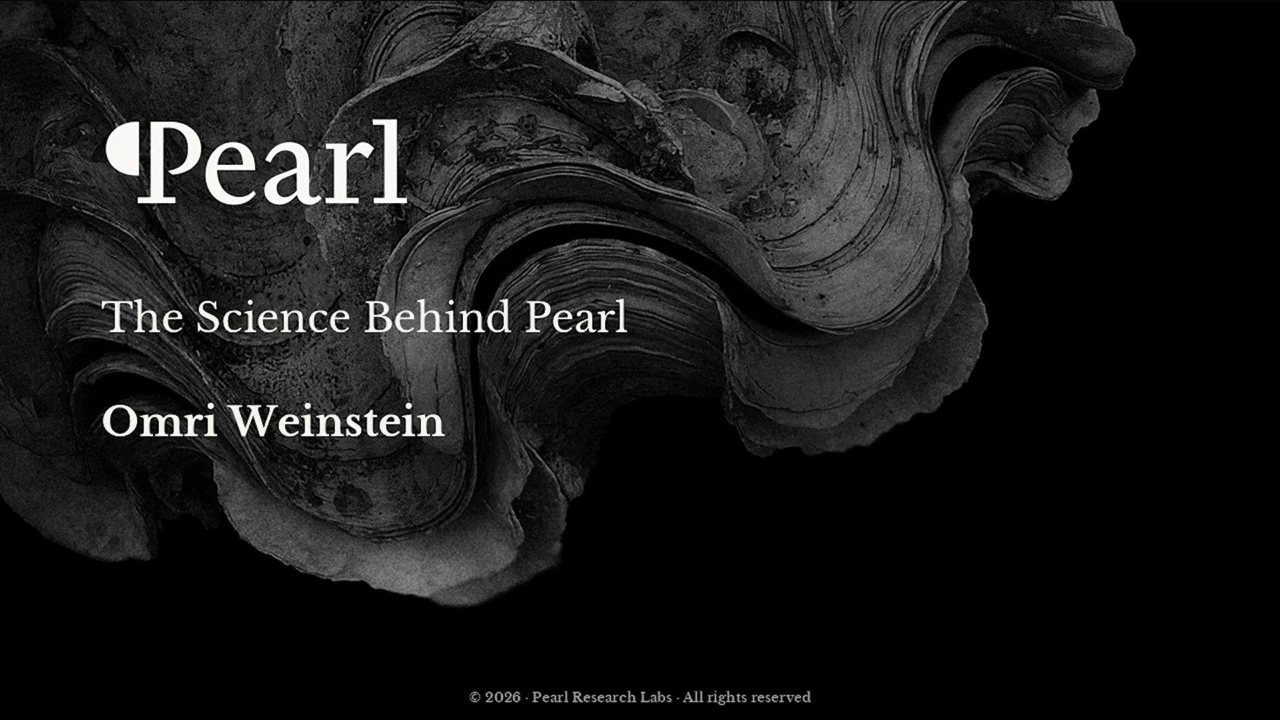
Source: "The Science Behind Pearl" — Omri Weinstein's keynote at a multi-speaker Pearl summit (morning session, per the tape). Quotes follow the supplied transcript; disputed wording should be checked against the recording.
THE PROBLEM BEHIND THE PAPER
Two correct machines.
Different answers.
Research edition / 22 September 2026
To catch a dishonest computation, first you need to know what an honest result looks like.
Floating-point arithmetic depends on rounding and the order of operations. GPU implementations can therefore disagree without either operator cheating. Hawkeye investigates reproducing that arithmetic, making comparison more meaningful.
Reproduce.
Specify which arithmetic and hardware behavior the reference follows.
Prove.
Establish the particular execution statement a verifier should accept.
Reach consensus.
Apply the network’s rules for accepting a block.
These layers connect. Success at one layer does not establish all the others.